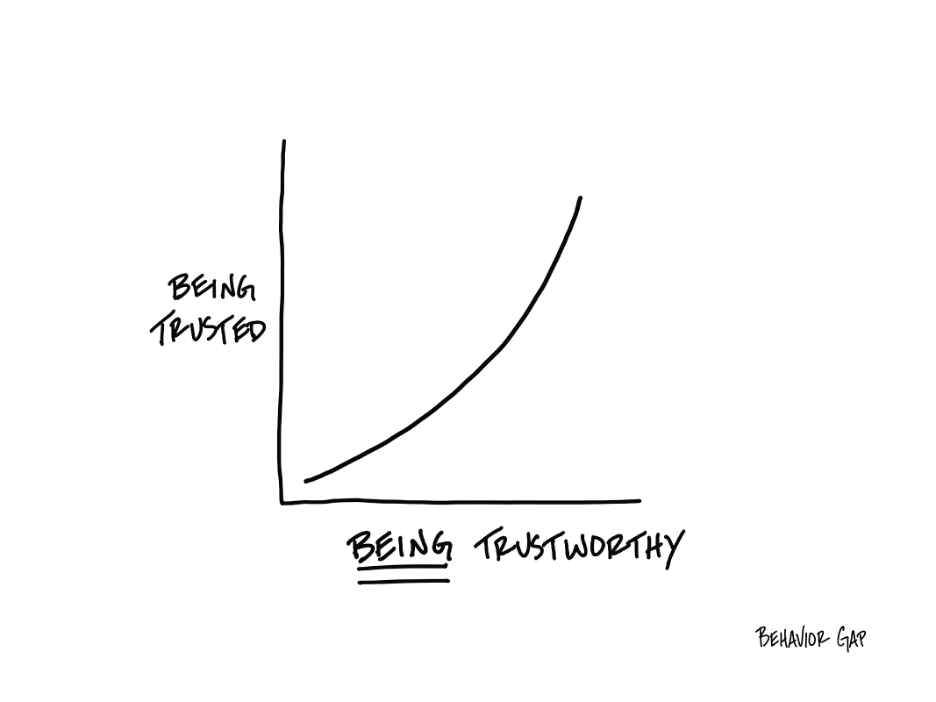
Trust Follows This

Amar Pandit , CFA , CFP 

Amar Pandit
A respected entrepreneur with 25+ years of Experience, Amar Pandit is the Founder of several companies that are making a Happy difference in the lives of people. He is currently the Founder of Happyness Factory, a world-class online investment & goal-based financial planning platform through which he aims to help every Indian family save and invest wisely. He is very passionate about spreading financial literacy and is the author of 4 bestselling books (+ 2 more to release in 2020), 8 Sketch Books, Board Game and 700 + columns.

March 13, 2026 | 2 Minute Read

Similar Post
Nano Learning
Growth and Change
Amar Pandit , CFA , CFP
Matt Haig wrote some powerful lines about growth and change in his book “The Comfort Book.”
“When everything goes well, we tend not to grow. Because to grow we need to cha ....
Read More
6 January, 2023 | 2 Minute Read
Nano Learning
Return on Life (ROL) versus Return on Investment (ROI)
Amar Pandit , CFA , CFP
I got some interesting responses to last week’s Nano “The Coca-Cola Company and Lawyers”, so let’s connect this week’s Nano to the previous one.
22 July, 2022 | 2 Minute Read
Nano Learning
Practice This Today
Amar Pandit , CFA , CFP
If there is one skill that all of us need to truly master, it’s this.
Have you guessed it?
Let me give you a hint with a Maimonides quote:
“The risk of a wrong decision i ....
Read More
29 October, 2021 | 2 Minute Read




0 Comments