The Awkward Middle of Building a Wealth Practice

Amar Pandit
A respected entrepreneur with 25+ years of Experience, Amar Pandit is the Founder of several companies that are making a Happy difference in the lives of people. He is currently the Founder of Happyness Factory, a world-class online investment & goal-based financial planning platform through which he aims to help every Indian family save and invest wisely. He is very passionate about spreading financial literacy and is the author of 4 bestselling books (+ 2 more to release in 2020), 8 Sketch Books, Board Game and 700 + columns.
January 23, 2026 | 2 Minute Read
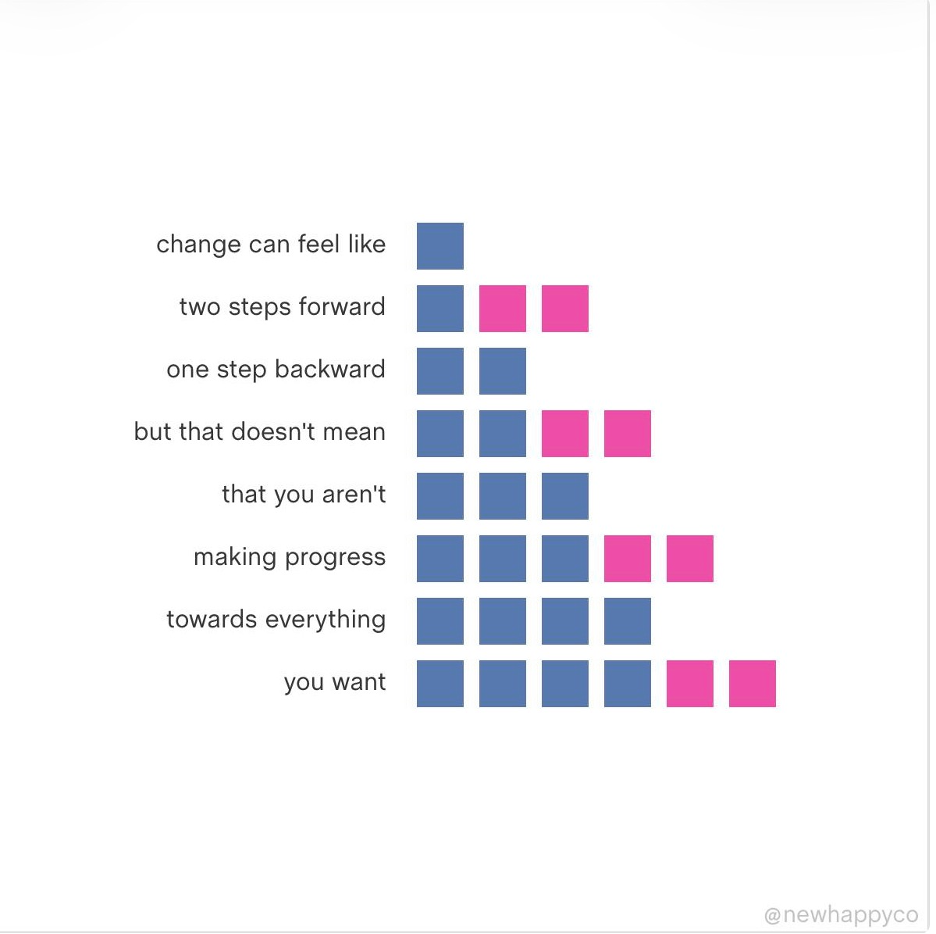
Change in a wealth practice rarely looks neat.
It often feels like two steps forward and one step backward.
You hire someone promising, but productivity dips before it rises.
You invest in process, and for a while, everything feels slower, not faster.
You collaborate with a platform to build scale, but integration feels harder before it feels helpful.
Many MFDs misread this phase.
They assume something is wrong.
They assume the change is not working.
They assume they should go back to what felt comfortable.
That is the mistake.
Progress in a real business is not linear.
It is lumpy.
It is uncomfortable.
It tests your patience before it rewards your conviction.
When you move from a founder-dependent practice to a team-driven one, things will wobble.
When you raise your standards for clients, some relationships will fall away.
When you redesign client experience, execution will feel messy before it feels magical.
This does not mean you are failing.
It means you are building something real.
Most average practices stay average because they mistake temporary discomfort for permanent damage.
World-class practices push through because they understand one simple truth.
Backward moments are often part of forward motion.
If you zoom out, the direction matters more than the daily movement.
If your decisions are aligned with long-term quality, better clients, stronger systems, and a healthier life, then short-term friction is the price of progress.
Ask yourself better questions.
Is this change aligned with the kind of practice I want five years from now?
Is this discomfort coming from growth or from avoidance?
Am I optimizing for ease today or strength tomorrow?
Excellence is built by people who can tolerate the awkward middle.
The phase where nothing feels settled, but everything is being reshaped.
Two steps forward and one step backward is still progress.
Only if you keep walking.
Similar Post
Nano Learning
Are Unconscious Beliefs Controlling Your Practice?
Carl Jung once said, “Until you make the unconscious conscious, it will direct your life and you will call it fate.” These words are powerful, especially for all of us.
8 November, 2024 | 2 Minute Read
Nano Learning
The Most Important Questions
Last week, I met a distributor friend (Dilip Phadke) and we had an interesting conversation.
Dilip said, “I have been thinking about selling but I guess I am not ready to sell. ....
Read More
23 June, 2023 | 2 Minute Read
Nano Learning
Growth in AUM or Growth in Skills
What do you think is more important in the headline?
Think about it.
It is not a trick question.
Many will say as long as AUM grows it does not matter. At least that how is th ....
Read More
5 March, 2021 | 2 Minute Read
Nano Learning
The Two Basic Functions of Business
In his 1973 book “The Practice of Management”, Peter Drucker wrote these golden words: “The purpose of a business is to create and keep a customer.
1 September, 2023 | 2 Minute Read
Nano Learning
The Bad Side Effect
Many people believe we are in the Expertise business.We even like being called experts. Don’t we? Who doesn’t? But Expertise comes with a cost – a bad side effect.
24 November, 2023 | 2 Minute Read
Nano Learning
Commit to Winning, Commit to Your Clients
I recently saw a billboard with a Nike Ad that read “If you don’t want to win...you have already lost.
Just Do It...”
As real financial professionals, our mission isn't j ....
Read More
16 August, 2024 | 2 Minute Read


- 0
- 0
0 Comments